There is a particular grey hour in Shankhari Bazar, just after the rain has stopped, when the whole lane seems to exhale. The brass shops pull up their shutters an inch. Water beads along the wires overhead and falls in slow, deliberate drops. I had come with a notebook and a borrowed umbrella, half hoping to write something, and instead I just stood at the mouth of the alley and watched the steam rise off the bricks.
I have always thought that a city can be read the way a difficult novel can be read — not for plot, exactly, but for texture, for the things the author refuses to explain. Old Dhaka is dense in that way. Every doorway is a footnote to a century you were not around for. You cannot read it quickly, and you certainly cannot skim.
The first time I tried, years ago, I treated it like a map: get to Sadarghat, find the river, tick the landmarks off a list. I came home with sore feet and remembered nothing. The city does not reward that kind of attention. It rewards the slow reader, the one willing to lose the thread and pick it up again three lanes over.
A city you grow up in is the first long book you never finish. You keep returning to the same paragraph, and it keeps meaning something new.
The rain does something to the reading. It slows people down. A man under the awning of a sweet shop offered me half his bench without a word, and we sat for a while watching a boy chase a paper boat down the gutter. There was no urgency in any of it. The monsoon, I think, is the only honest editor this city has — it forces everyone to pause mid-sentence.
We talked, the man and I, in the half-language of strangers waiting out weather. He had sold sweets on that corner for thirty-one years. He could tell the season by which way the water ran in the gutter, and the time of day by whose shutters were open. He read the lane far better than I ever could, and he had never once thought of it as reading.
That is the thing about a place you belong to. You stop seeing it as text and start living inside the sentence. The outsider notices the grammar; the local simply speaks it. I have spent my whole life trying to hold both at once — to know Dhaka well enough to move through it without thinking, and to keep enough distance to still be surprised.
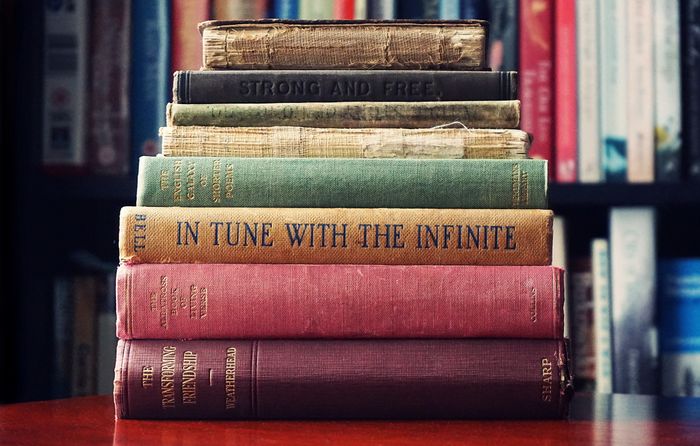
When the sky cleared I walked back toward Sadarghat, past the shuttered presses on Bangla Bazar where, a hundred years ago, this neighbourhood printed the first Bengali books I now keep on my shelf. It felt, briefly, like the city and the library were the same object seen from two angles — both made of paper, both swollen by rain, both waiting to be read again by someone slower than the traffic.
The presses are mostly quiet now. A few still run, printing wedding cards and exam guides, but the great work of setting Bengali type by hand has moved on, or stopped. I stood outside one of them and tried to hear the machines that used to be there, the way you sometimes hear a melody in a room someone has just left.
I bought a small book from a footpath seller on the way back — a battered collection of essays I already owned, but the spine was soft in a way I liked. He wrapped it in newspaper against the drizzle and tucked it into my bag without my asking. Another small kindness, another sentence I would not have written for myself.
I never did write the thing I came to write. But I filled four pages with smaller observations, and that, I have decided, is the whole point. You do not read a city to summarise it. You read it to keep it from disappearing while you are not looking.
So I keep going back, in every season, with the same soft notebook and the same borrowed patience. The lanes do not change much. I change, a little, each time. And the book stays open on the same wet, unfinishable page.